
Skim Coating · London & the Home Counties
Mirror-Smooth Skim CoatingFor Walls Ready to Finish ProperlyAcross London & the Home Counties
Walls and ceilings flattened with a true skim coat — the foundation every premium paint, paper or polished plaster finish actually needs.
28 years' experience · Dust sheets and tidy working area
28
Years on the trowel
1,000+
Rooms skimmed
—nths
Workmanship guarantee
Always observed
Drying-discipline
About this service
What skim coating really involves — and who it's for.
What it is
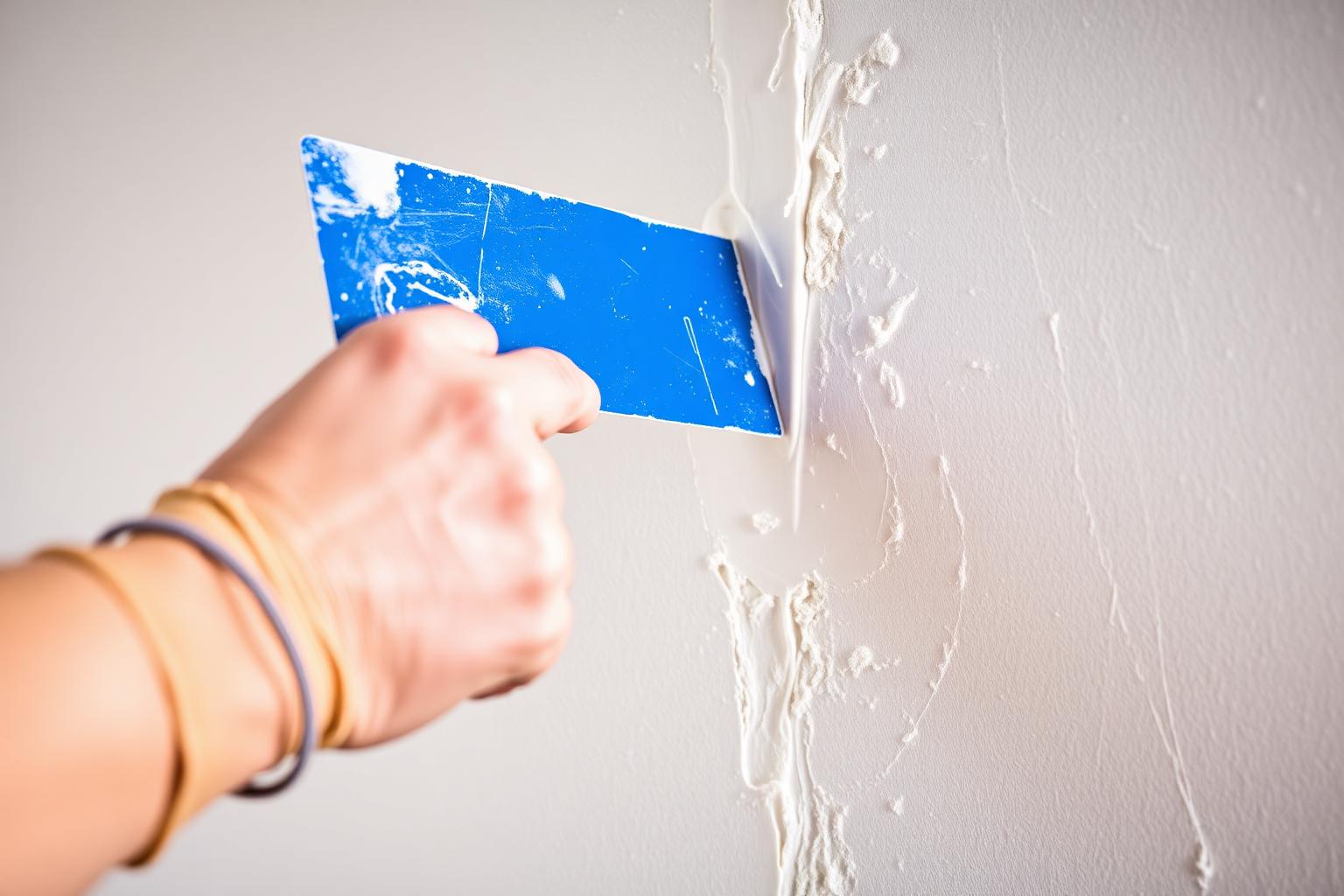
Plaster skim coating — thin 2–3mm coats of finishing plaster applied over existing walls, ceilings, plasterboard or repaired substrates. Trowelled flat, polished smooth, and left ready for paint, paper or polished plaster.
Who it's for
Homeowners with tired or damaged walls, builders finishing plasterboarded extensions, designers needing a flawless substrate for premium paint, and clients prepping for polished plaster installation.
When you need it
After damage, after wallpaper strip where the wall is too far gone, on new plasterboard, before polished plaster, and any time existing walls have too many flaws to paint over.
Why it matters
Premium paints, papers and plasters all reflect the wall behind them. A skim coat is the only way to give the next finish a true plane to sit on.
What happens if it's done badly
The mistakes that cost the most — and how we avoid them.
Skimping on prep ruins the finish
Painting over a wavy or patched wall flashes every flaw under expensive paint. The fix is to skim — which should have been done in the first place.
Wet skim, wrong paint
Painting onto plaster before it's properly cured traps moisture, causes flashing and peels off within months.
Cheap skim, fast crack
Thin, badly mixed or over-fast skim cracks within a season. Proper materials and proper drying time aren't optional.
Our process
Five quiet, considered steps from first call to sign-off.
01
Inspection
We assess the substrate, identify damage, check for damp or movement, and quote on what the wall actually needs — not what's easiest to sell.
02
Preparation
PVA bond coat applied where required, plasterboard joints scrimmed, edges set up clean, dust sheets down throughout.
03
First coat
First skim coat applied 2mm, levelled with the trowel, left to set without rushing.
04
Second coat & polish
Second skim coat applied, trowelled flat, polished to a mirror-smooth finish ready for next stage.
05
Cure & sign-off
Full drying time observed before any mist coat or finish goes on. Walls handed over ready for paint, paper or plaster.
Why clients choose us
Specific, concrete reasons — not vague promises.
True flat walls
Polished to a plane that premium paint, paper and plaster actually deserve.
Drying discipline
We never rush plaster into paint — full cure time before the next finish goes on.
Dust-aware working
Containment and clean-down so the rest of the property stays liveable.
Plasterboard-ready
New plasterboard skimmed, jointed, finished flat — saving a second tradesman on site.
Polished-plaster ready
Skim finished to the substrate standard polished plaster requires.
Workmanship I stand behind
On the workmanship of every skim.
The detail behind the work
Materials, methods and the variations that matter.
Skim coating is the layer that disappears under the finish but determines how that finish looks. The skill is in flat trowelling, drying discipline and the right material for the substrate.
Materials we work with
- British Gypsum Multi-Finish — the workhorse finishing plaster
- Thistle Board Finish for direct-to-plasterboard application
- Lime plasters for heritage and breathable substrates
- PVA bonding agents and SBR primers for existing walls
- Fibre tape and scrim for joint reinforcement
Methods we apply
- Two-coat skim system on most walls — first coat for level, second for finish
- Trowel-flat-then-polish technique for a true mirror plane
- Drying-time discipline before any mist coat or paint goes on
- Clean edge set-up around skirting, architrave and ceiling line
Variations of this service
Full-room skim
Walls and ceiling skimmed end-to-end — typically 2–4 working days plus drying time.
Patch skim
Localised damage repair skimmed and feathered into existing wall.
Plasterboard skim
New plasterboard direct-skimmed to a paint-ready finish.
Pre-polished-plaster skim
Skim taken to the higher substrate standard polished plaster demands.
Heritage lime skim
Lime-based skim on lath-and-plaster and breathable substrates.
Situations this service applies to
- New extensions and loft conversions on fresh plasterboard
- Wallpaper-strip rescue where the wall behind is too damaged to paint
- Pre-polished-plaster substrate preparation
- Damp-repaired walls being prepared for redecoration
- Heritage walls requiring lime-friendly skim
Residential vs commercial
Residential
Residential skim work is programmed around lived-in spaces, with containment and dust-aware working to keep the rest of the home usable.
Commercial
Commercial skim work is programmed out-of-hours or in zoned phases, with mechanical drying where the trading schedule demands fast turn-around.
Frequently asked
Straight answers, conversion-focused.
If your question isn't here, call 07730 008046 or get in touch.
How much does skim coating cost?
Every project is bespoke — pricing depends on room size, substrate condition and finish. Get in touch and we'll arrange a free, no-obligation written quote.
How long does it take?
A standard room skim takes 2–4 working days. Drying time before paint can take another 3–7 days depending on conditions — we'll write the full programme into your quote.
When can I paint after skimming?
Fresh skim needs to be fully dry — typically 5–14 days depending on thickness, weather and ventilation. A mist coat first, then the finish coats. We'll advise per project.
Can you skim over wallpaper?
No — paper has to come off first. We can handle the strip-and-prep as part of the project.
Can you skim direct to plasterboard?
Yes — Thistle Board Finish direct-to-plasterboard is standard for new walls, ceilings, extensions and loft conversions.
Will it crack?
Properly mixed, applied and cured skim doesn't crack. Cracks come from rushed drying, over-thin coats or movement in the substrate — we control all three.
Is it dusty?
Sanding is minimal on a true skim — most flatness is achieved on the trowel, not the sandpaper. We work with dust sheets and HEPA extraction where sanding is needed.
Do you handle ceilings?
Yes — full ceiling skims including artex coverage (over assessment), as part of room programmes or stand-alone.
Do you cover my area?
Yes — plaster skimming across London, Buckinghamshire, Hertfordshire, Berkshire, Oxfordshire, Surrey, Essex, Middlesex and Northamptonshire.
Related services
Often specified alongside skim coating.
Interior Painting
A faultless, hand-finished result — delivered in dust-aware days, not disruptive weeks — by a experienced craftsman with 28 years on the brush.
ExploreVenetian Plastering
A beautiful, hand-applied decorative finish that brings the depth and movement of polished marble to your walls — built up in fine layers and burnished to a soft, luminous sheen.
ExploreWallpaper Removal
Stripped back without gouging the plaster, walls left flat and primed, and a site you can hand over to a paper-hanger, painter or plasterer the next morning.
ExploreNext step
Walls flat enough for the finish they deserve.
Free on-site survey. Free, no-obligation written quote.
28 years' experience